
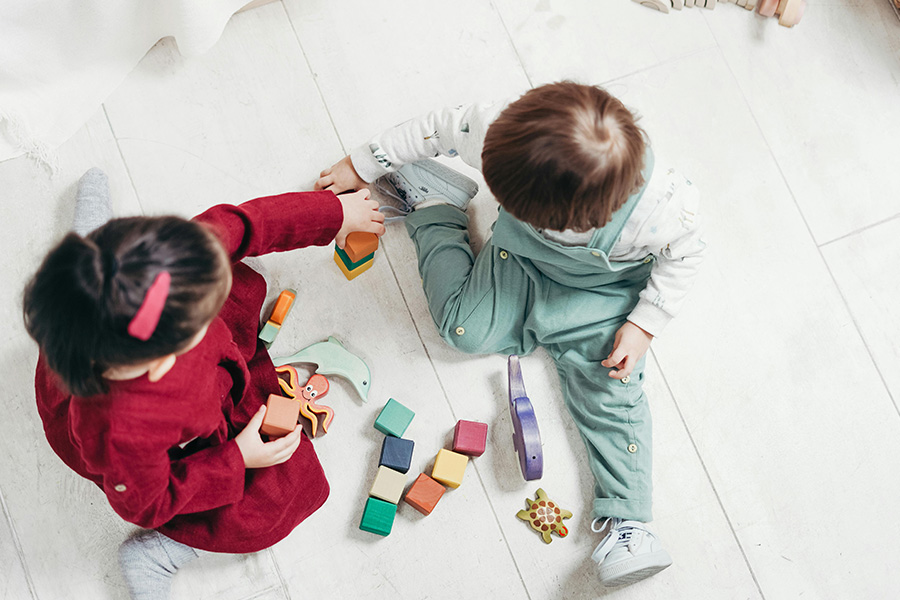
The early years of a child’s life are filled with wonder, exploration, and rapid development. From learning their first words to understanding how to interact with others, children grow at a remarkable pace between the ages of 2 and 5. During this formative stage, the environment in which they learn and play has a lasting impact on their development — emotionally, socially, and academically.
Choosing the right kindergarten is one of the most important decisions parents make during these early years. It’s not just about childcare or preparation for primary school; it’s about laying the foundation for lifelong learning and well-being. A high-quality kindergarten nurtures curiosity, encourages creativity, and fosters independence — all within a safe and supportive environment.
Why Kindergarten Matters
Research consistently shows that children who attend high-quality early education programs are more likely to succeed in school, build stronger social skills, and even earn higher incomes as adults. Kindergarten plays a unique role in this development by bridging the gap between home life and formal schooling.
At its best, kindergarten introduces children to:
- Routine and structure: Helping children adapt to a consistent schedule and group setting.
- Social interaction: Building essential communication and empathy skills through play and collaboration.
- Cognitive stimulation: Encouraging language development, problem-solving, and early numeracy and literacy.
- Emotional regulation: Supporting children in understanding their feelings and how to manage them appropriately.
In today’s competitive world, giving your child a strong start can lead to greater confidence and resilience in the years ahead.
What to Look for in a Kindergarten
Not all kindergartens are created equal. The best institutions go beyond basic childcare by offering a rich curriculum, skilled educators, and a philosophy centered on child development. Here are a few key things parents should consider when choosing the right kindergarten:
1. Qualified, Caring Educators
Teachers play a critical role in a child’s early education. Look for kindergartens where staff are not only qualified but also passionate, patient, and engaged in each child’s learning journey.
2. Balanced Curriculum
A good program combines structured learning with free play. Activities should support language, motor, cognitive, and social-emotional development, while allowing children the freedom to explore and discover at their own pace.
3. Safe and Stimulating Environment
Classrooms and play areas should be safe, clean, and designed to inspire creativity. Natural light, open-ended toys, art supplies, and reading corners all contribute to a rich learning environment.
4. Strong Communication with Parents
The best kindergartens see parents as partners. Regular updates, parent-teacher meetings, and opportunities for involvement are signs of a collaborative and transparent culture.
5. Emphasis on Well-Being
Emotional and mental well-being should be just as important as academic readiness. Programs that teach mindfulness, kindness, and conflict resolution help children develop a healthy inner world.
Spotlight: Kensington Kindergarten
If you’re looking for a kindergarten that embodies these values and offers a nurturing, well-rounded early education experience, Kensington Kindergarten is a standout choice.
Located in the heart of London, Kensington Kindergarten has built a strong reputation for providing high-quality early years education in a warm, stimulating, and family-like setting. Their curriculum is carefully designed to support the developmental needs of each child, with a strong focus on learning through play, creativity, and exploration.
What sets Kensington Kindergarten apart is its commitment to a child-centered approach. The educators are not only highly trained but also deeply attuned to the individual personalities and learning styles of the children they teach. With small class sizes, every child receives personal attention and is encouraged to grow at their own pace.
Parents consistently praise the kindergarten’s open communication, enriching daily routines, and the joyful atmosphere that greets children each day. Whether your child is naturally curious, shy, outgoing, or sensitive, they’ll find a space that helps them flourish emotionally and intellectually.
Preparing for the Transition
Starting kindergarten is a major milestone — for both children and parents. Here are a few tips to help ease the transition:
Visit Together:
Attend open days or tours so your child becomes familiar with the space and teachers.
Establish Routines:
Start waking up and going to bed at consistent times a few weeks before school begins.
Talk Positively:
Frame the experience as exciting and fun, and share stories about school adventures.
Encourage Independence:
Teach your child basic skills like dressing, washing hands, and putting away toys.
Stay Patient:
It’s normal for children to take time adjusting. Be supportive and keep communication open with teachers.
Final Thoughts
The choice of kindergarten is more than just a logistical decision — it’s a defining moment in your child’s journey. A high-quality early education sets the tone for how they see learning, how they connect with others, and how they feel about themselves. By taking the time to research and find a place that aligns with your values and your child’s needs, you’re giving them a priceless gift: a strong, confident start in life.
Kensington Kindergarten offers exactly this kind of beginning — a place where young learners are nurtured, inspired, and prepared for the bright future ahead.
More Stories