
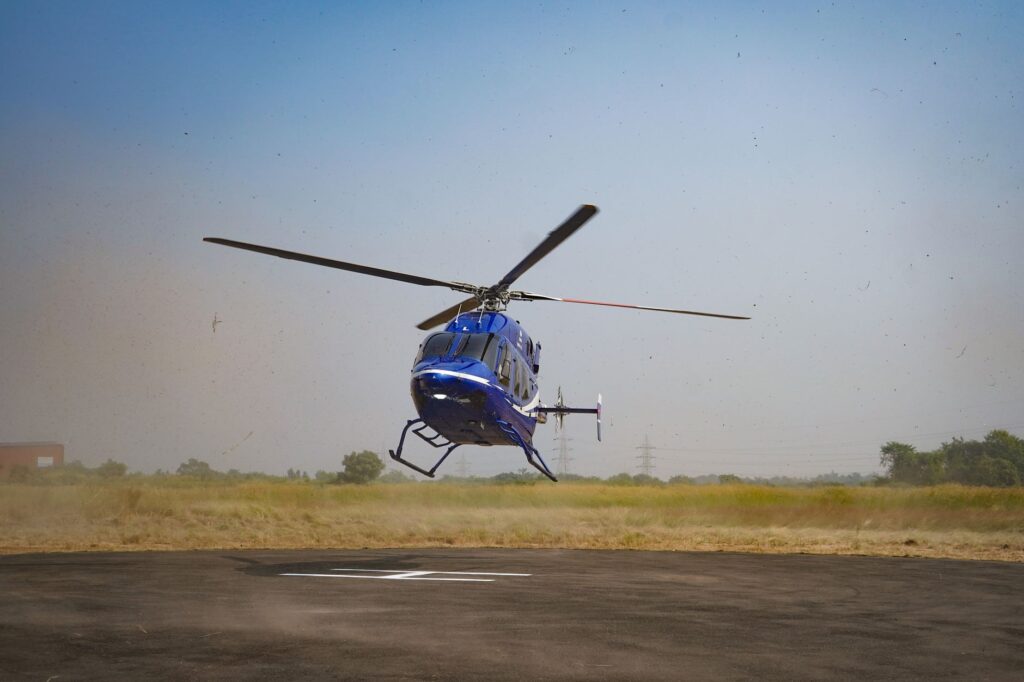
Emergency landing Chennai occurred recently when a plane with engine issues had to make an unexpected landing. This incident involved 186 passengers on board, raising concerns about air travel safety.
Details of the Emergency Landing
An aircraft carrying 186 passengers encountered significant engine issues, prompting an emergency landing in Chennai. The incident occurred shortly after takeoff, causing immediate concern among passengers and crew members alike. The flight, which was en route to a major city, had to return to Chennai due to the mechanical failure.
Upon realizing the severity of the situation, the flight crew followed standard emergency protocols. The pilot communicated with air traffic control, ensuring that emergency services were prepared for the aircraft’s arrival. Passengers were briefed about the situation, and safety measures were put in place.
As the plane approached Chennai, multiple safety checks were conducted to evaluate the condition of the aircraft. The emergency landing proceeded smoothly, and upon touchdown, emergency services were on standby. Fortunately, there were no reports of injuries among the passengers or crew, highlighting the effectiveness of the crew’s training during the emergency landing in Chennai.
The incident serves as a reminder of the importance of safety protocols in aviation, especially when faced with critical mechanical failures.
Passenger Experiences During the Incident
During the emergency landing in Chennai, passengers experienced a mix of emotions ranging from fear to relief. Many reported feeling anxious as the aircraft began to descend unexpectedly, with some passengers expressing concern over the engine issue that prompted the emergency landing.
Several individuals recounted the moment when the pilot announced the situation, emphasizing the importance of remaining calm. One passenger noted, “There was a palpable tension in the cabin, but the crew did their best to reassure us.”
As the plane approached the runway, passengers were instructed to brace for impact, leading to a tense atmosphere. Another traveler shared, “I held my breath, hoping everything would be okay. The landing was rough, but we made it.”
After the successful emergency landing in Chennai, many passengers expressed gratitude for the professionalism of the flight crew.
- “They handled the situation with utmost care,” said one traveler.
- “I felt safe knowing they were well-trained for emergencies,” added another.
Overall, the incident highlighted the resilience of both passengers and crew during such critical moments.
Safety Protocols in Air Travel
When it comes to air travel, safety protocols are paramount, especially during incidents like the emergency landing in Chennai. Airlines and aviation authorities have established comprehensive measures to ensure passenger safety and minimize risks during emergencies.
Key safety protocols include:
- Pre-flight Checks: Aircraft undergo rigorous inspections before each flight, ensuring all systems are functioning properly.
- Emergency Training: Cabin crew are extensively trained to handle emergency situations, including evacuations and medical emergencies.
- Communication Procedures: Pilots are trained to communicate effectively with air traffic control and cabin crew during emergencies, ensuring a coordinated response.
- Passenger Briefings: Before takeoff, passengers receive briefings on safety procedures, including the use of seat belts and emergency exits.
- Regular Drills: Airlines conduct regular emergency drills to keep crew members prepared for various scenarios, promoting a swift and effective response.
Ultimately, these protocols are designed to protect passengers and crew, reducing the likelihood of severe outcomes during critical situations like the emergency landing in Chennai.
What Causes Engine Failures?
Engine failures can be caused by a variety of factors, each potentially leading to serious situations such as an emergency landing in Chennai. Understanding these causes is essential for both passengers and airline operators.
- Mechanical Failures: Wear and tear on engine components can lead to malfunctions. Issues like overheating or damage can result from inadequate maintenance or manufacturing defects.
- Fuel Contamination: Impurities in the fuel supply can harm engine performance. This may occur due to poor quality fuel or contamination during storage and transportation.
- Bird Strikes: Collisions with birds can cause significant engine damage. These incidents are often unpredictable and can lead to immediate engine failure.
- Operating Conditions: Extreme weather, such as heavy turbulence or lightning, can affect engine performance. Pilots must be vigilant during such conditions to maintain control.
- Human Error: Mistakes made during pre-flight checks or maintenance can lead to engine complications during flight.
Each of these factors underscores the importance of rigorous safety measures in aviation to prevent situations requiring an emergency landing in Chennai or elsewhere.
The recent emergency landing Chennai incident has raised concerns about passenger safety in aviation. Understanding the worst outcomes of an emergency landing Chennai can help improve protocols and prevent future occurrences.
Photo by Suman Sutradhar on Pexels
More Stories
RC 17 Final Script: Is This the Best News Ever?