
Ever wondered, why does my nose whistle when I breathe in? The answer may lie in a common yet often overlooked issue called nasal congestion. When the airflow through your nasal passages is obstructed, it can result in a whistling sound as you breathe in. This seemingly harmless phenomenon can be caused by various factors such as allergies, a deviated septum, or even a simple cold. Don’t worry, understanding the underlying cause can help you find relief and enjoy quiet breathing once again.

Why Does My Nose Whistle When I Breathe In?
Have you ever noticed a strange whistling sound coming from your nose when you take a deep breath in? You’re not alone! Many people experience this phenomenon, and it can be quite puzzling. In this article, we will explore the reasons behind why your nose might whistle when you breathe in. Let’s dive in and uncover the mysteries of this curious occurrence.
The Anatomy of Your Nose
Before we delve into why your nose whistles, let’s take a closer look at the amazing anatomy of this essential body part. Your nose is not just for smelling flowers or sneezing – it plays a crucial role in helping you breathe properly. Inside your nose, there are two nasal passages that lead to your throat and lungs. These passages are lined with tiny hairs and mucous membranes that help filter the air you breathe in.
Understanding Nasal Congestion
One common reason why your nose might whistle when you breathe in is due to nasal congestion. When your nasal passages are blocked or narrowed, air has to squeeze through a smaller space, causing turbulence and creating that whistling sound. Nasal congestion can be caused by various factors, such as allergies, colds, or sinus infections.
The Role of Turbulence
When you breathe in, air rushes through your nasal passages at different speeds. Sometimes, the airflow becomes turbulent, similar to what happens when you blow air through a narrow opening. This turbulence can create vibrations in the tissues of your nose, leading to the whistling sound you hear.
Dealing with Dryness
Another potential cause of nose whistling is dryness in your nasal passages. When the air you breathe in is too dry, it can irritate the delicate membranes inside your nose, causing them to vibrate and produce a whistling noise. Staying hydrated and using a humidifier can help alleviate this issue.
The Influence of Allergies
Allergies can also play a significant role in why your nose whistles when you breathe in. When you are allergic to substances like pollen or dust, your nasal passages may become inflamed and produce excess mucus. This can lead to blockages and turbulence in airflow, resulting in that distinctive whistling sound.
Structural Abnormalities
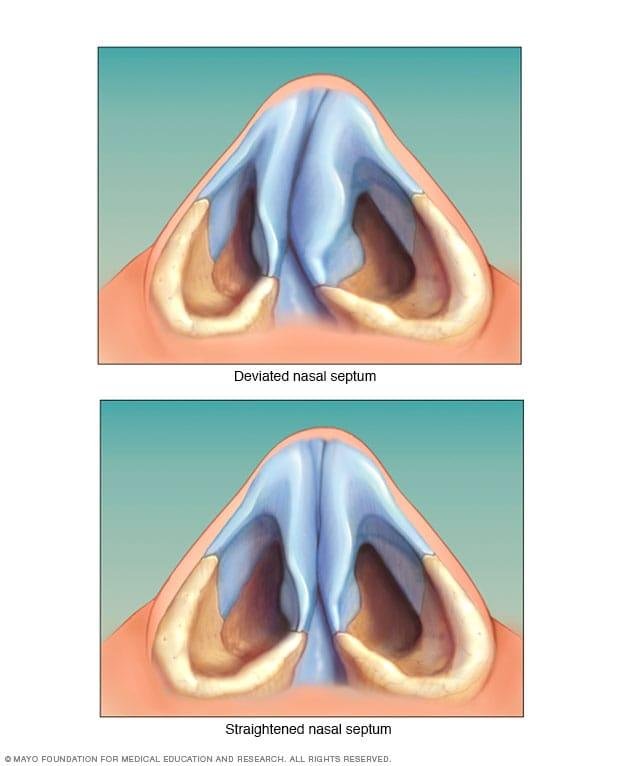
In some cases, structural abnormalities in your nose can be the culprit behind the whistling noise. Conditions such as a deviated septum or nasal polyps can disrupt the airflow in your nasal passages, causing turbulence and whistling when you breathe in. If you suspect you have a structural issue, it’s essential to consult with a healthcare professional for proper diagnosis and treatment.
Remedies and Solutions
If you find yourself constantly dealing with a whistling nose, there are several remedies and solutions you can try to alleviate the issue. Simple measures like staying hydrated, using a saline nasal spray, or applying a warm compress to your nose can help reduce dryness and congestion. In more severe cases, your doctor may recommend nasal decongestants or allergy medications to address the underlying causes.
When to Seek Medical Help
While nose whistling is often harmless and temporary, there are instances where it may signal a more serious problem. If you experience persistent nose whistling accompanied by other symptoms like difficulty breathing, pain, or bleeding, it’s crucial to seek medical attention promptly. A healthcare provider can perform a thorough evaluation and determine the best course of action to resolve the issue.
The Importance of Nasal Health
Maintaining good nasal health is essential for overall well-being. Your nose is not only a vital organ for breathing but also plays a crucial role in your sense of smell and taste. By taking care of your nasal passages and addressing any issues promptly, you can ensure optimal respiratory function and enjoy a whistle-free breathing experience.
In conclusion, while a whistling nose may seem quirky and amusing, it can sometimes indicate underlying issues that require attention. By understanding the possible reasons behind why your nose whistles when you breathe in and taking proactive steps to address them, you can breathe easier and enjoy a peaceful respiratory experience. Remember, if you have concerns about your nasal health, don’t hesitate to reach out to a healthcare professional for guidance and support. Stay curious, stay healthy, and breathe on!
why does my nose whistle when i breathe
Frequently Asked Questions
What causes my nose to whistle when I breathe in?
When your nose whistles as you breathe in, it may indicate a blockage or narrowing of your nasal passages. This can be caused by various factors such as congestion from allergies or a sinus infection, nasal polyps, a deviated septum, or even a foreign object lodged in the nasal cavity.
How can allergies contribute to my nose whistling when I inhale?
Allergies can lead to nasal congestion, swelling, and the production of excess mucus, which can narrow the nasal passages. When you breathe in, air passing through these restricted passages can create a whistling sound, similar to blowing through a constricted tube.
Can dry air be a reason for my nose to whistle during inhalation?
Absolutely, dry air can cause the nasal passages to become dry and irritated, leading to inflammation and congestion. This can result in the nasal tissues rubbing against each other, causing the whistling sound when air is drawn in through the narrowed passages.
Final Thoughts
When your nose whistles as you breathe in, it could be due to narrow nasal passages or turbulent airflow. The whistling sound occurs when air passes through restricted or irregularly shaped nasal cavities. To prevent this, keep your nasal passages moist and seek medical advice if the issue persists. Understanding why your nose whistles when you breathe in can help you address the underlying causes effectively.
More Stories
When Does Dunkin Stop Serving Breakfast: Timings Revealed
Discover When Was 27 Weeks Ago: Answers & Calculation Guide
When Can I Itch My Tattoo: Proper Healing Timeline